The Match
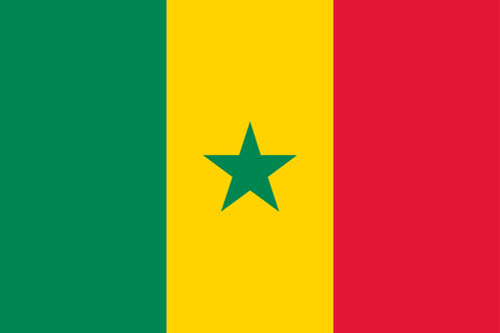
For 45 minutes at MetLife Stadium in New Jersey on June 16, Senegal threatened to produce one of the great shocks of the 2026 World Cup. Aliou Cissé's Lions of Teranga pressed France with ferocity and intelligence throughout the first half, kept one of the world's finest attacking collections to a single shot in 45 minutes, and went into the interval level at 0-0 with genuine belief they could spring a surprise. The second half told a very different story — Kylian Mbappe's clinical brace and Bradley Barcola's chipped finish turned a tentative French performance into a 3-1 victory that the scoreline flatters somewhat, with Ibrahim Mbaye's late consolation providing a moment of pride for Senegal's travelling support.
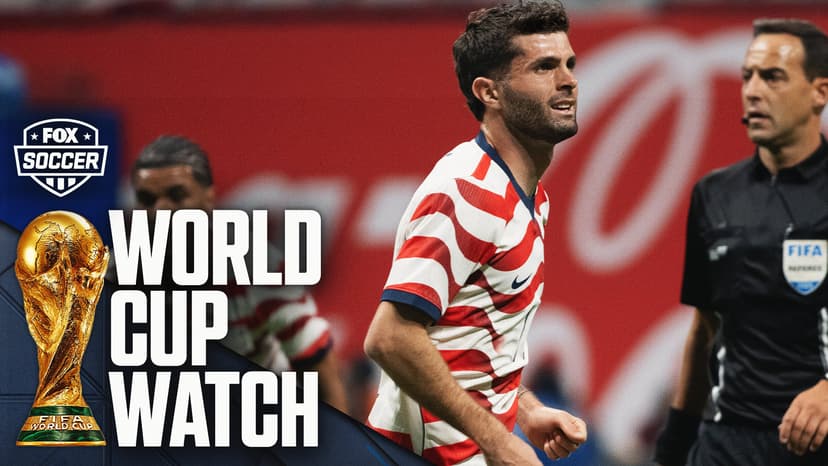
The first half was everything Cissé could have hoped for. Senegal pressed France high up the pitch, disrupted their creative flow in central areas, and created enough counter-attacking moments through Sadio Mane and Ismaila Sarr to make the French defence uncomfortable. France managed only one shot in 45 minutes — an extraordinary statistic against a squad containing Mbappe, Dembélé, and Barcola. But the second half revealed the difference in class between the two sides when French coach Deschamps made his adjustments. Mbappe found space in the 66th minute to fire home first-time from Olise's through ball. Barcola chipped the goalkeeper beautifully in the 82nd minute, and Mbappe's stunning long-range effort in the sixth minute of stoppage time, which broke Giroud's all-time France goalscoring record, rubbed salt in Senegal's wounds before Mbaye's late strike offered a small consolation.
Standout Performers
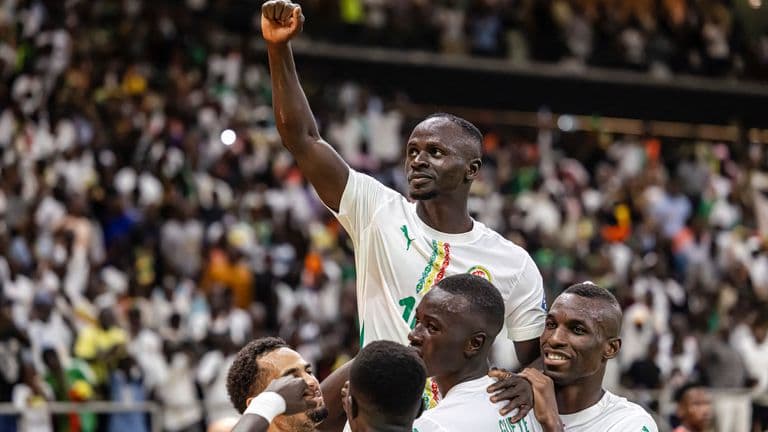
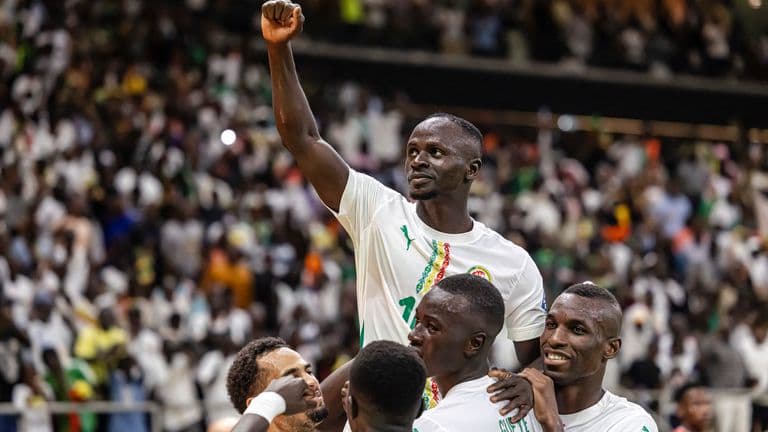
Sadio Mane was Senegal's most accomplished performer, and in the first half in particular, he was a constant menace against France's defensive shape. His pace and directness on the counter caused repeated problems for the French fullbacks, and his combination play with Sarr created the kind of pressure that forced France into mistakes. Mane's influence waned in the second half as France took control, but his first-half contribution was of the very highest quality and demonstrated why he remains one of Africa's most dangerous forwards even as he enters his thirties.
Ibrahim Mbaye's consolation goal — composed, well-struck, and entirely deserved as a personal moment — was a positive footnote for Senegal. The young midfielder has the ability to influence games going forward, and Cissé will hope this tournament can be a platform for him to develop further. In goal, Edouard Mendy had a relatively quiet evening but commanded his area well when called upon.
Tactical Picture
Cissé's 4-3-3 pressing structure in the first half was exceptional in its execution. The three forwards pressed France's backline aggressively, cutting off passing lanes into Mbappe and the attacking midfielders, while the central trio worked tirelessly to win second balls and maintain defensive compactness. The plan worked perfectly for 45 minutes. The second half exposed the tactical limitation that plagues every team that presses hard in the first half: the legs go, the organisation softens, and the spaces that a team like France can exploit begin to appear. Deschamps found those spaces with clinical efficiency, and the game changed irrevocably.
Group Implications
Senegal sit at the bottom of Group I with zero points after the opening round, with Norway's 4-1 victory over Iraq meaning that the other two Group I sides both have three points. The challenge ahead for Cissé's squad is significant — they will need wins in their remaining fixtures to stay in the tournament. The quality demonstrated in the first half against France, however, confirms that Senegal are capable of competing at this level, and they should not be written off simply because the second half did not go their way. The Lions of Teranga have enough quality, organisation, and tournament experience to mount a comeback in the group stage.
One to Watch Next
Sadio Mane's form in Senegal's next match will be decisive. The veteran forward is at his best when his team is on the counter-attack with pace and width — the exact scenario that the first half against France provided for 45 minutes. If Senegal can maintain their defensive organisation for longer in their next match and give Mane and Sarr the counter-attacking platform they need, they have the quality to cause serious problems to any Group I opponent. Senegal's World Cup is not over; it has simply become considerably harder. How Mane leads the response will define the tournament for the Lions of Teranga.