The Match
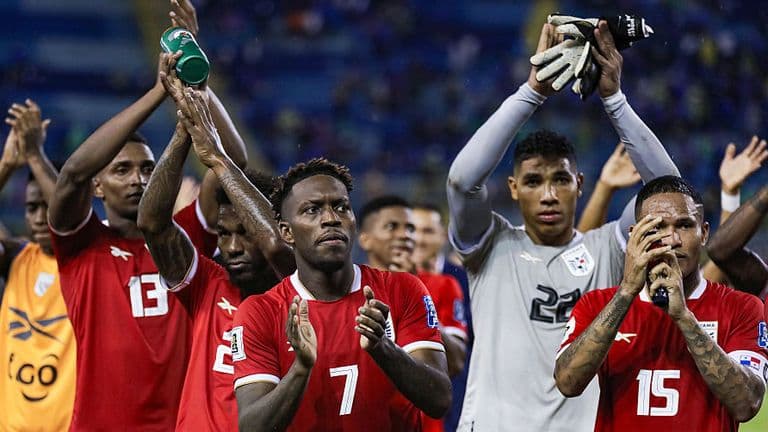
Panama walked off the pitch at BMO Field in Toronto in the early hours of June 18 with a sense of profound injustice that is entirely understandable and ultimately irrelevant. Los Canaleros had dominated possession against Ghana for 90 minutes — 64% of the ball across the match — created the majority of the first-half chances, lost the opposition goalkeeper to injury which should have been an advantage, and still conceded a stoppage-time tap-in that sent Ghana to the top of Group L and left Panama with nothing. Caleb Yirenkyi's 95th-minute goal from Brandon Thomas-Asante's cross was, from Panama's perspective, a cruelty of timing that the statistics of the match do not remotely justify. From Ghana's perspective, it was exactly the kind of clinical execution that wins World Cup group matches regardless of possession.
Thomas Christiansen's Panama had been the more threatening side in the opening period, with Cecilio Waterman testing Ghana's goalkeeper in the second minute with a powerful close-range effort that set the match's attacking tone. Panama's ability to maintain possession and move the ball through the lines gave them a sustained territorial advantage that their supporters in Toronto clearly appreciated. The problem was converting that dominance into the clean-cut chances that lead to goals. Ghana's defensive organisation, and an inspired performance from substitute goalkeeper Benjamin Asare in the second half, frustrated every Panamanian combination that got close to a decisive final ball. When Yirenkyi tapped home in stoppage time, Panama's players could barely believe what had happened — and neither, for a moment, could the match's entire narrative.
Standout Performers
Cecilio Waterman was Panama's most dangerous forward throughout, his movement causing Ghana's defenders genuine problems across the first half. His second-minute effort that tested Ati-Zigi demonstrated the directness and composure under pressure that make him Panama's most reliable attacking option, and his influence in combination play — drawing defenders and releasing runners beyond him — created the situations from which Panama's best chances emerged. On another night, his performance would have resulted in a goal.
Adalberto Carrasquilla was immense in midfield, controlling the tempo, winning the ball, and distributing with the precision that Panama's possession-based approach requires. His ability to keep the ball moving and prevent Ghana from establishing sustained defensive pressure was the foundation of Panama's attacking dominance, and his set-piece delivery created several dangerous moments that Ghana's defence were relieved to survive.
Tactical Picture
Christiansen's Panama played their best football when working the ball quickly from central areas into wide positions and crossing into the box. The system created good opportunities but was ultimately undone by Ghana's disciplined defensive shape and the quality of two different goalkeepers — Ati-Zigi in the first half, Asare in the second — on a night when Panama needed just one clear chance to be taken. The late concession from a counter-attacking scenario in stoppage time exposed a defensive vulnerability that Christiansen will immediately address: when pressing for a winning goal, Panama's defensive line was higher than it needed to be, and Thomas-Asante's run in behind exploited that space clinically.
Group Implications
Panama sit at the bottom of Group L with no points, alongside Croatia who lost 4-2 to England. The position is serious — Ghana and England are both on three points, and Panama need to win their next match simply to keep their tournament alive. The performance against Ghana, however, contains genuine encouragement: Panama showed they can control possession against quality opposition, that Waterman and Carrasquilla provide a competitive midfield and attacking platform, and that but for the cruelest of late goals, they might have taken a point from this match. Those qualities will be needed immediately.
One to Watch Next
Cecilio Waterman carries the weight of Panama's World Cup hopes in his movement and finishing. If Christiansen can create the supply lines that give Waterman more ball in dangerous central areas — rather than the combination play that frequently ends in crosses — Panama have a genuine match-winner available. Waterman's energy and determination were obvious against Ghana; the challenge now is converting that effort into goals in a match that Panama absolutely cannot afford to draw. When the group stage demands three points, Panama will need Waterman to deliver the finishes that Tuesday night ultimately denied him.