The Match
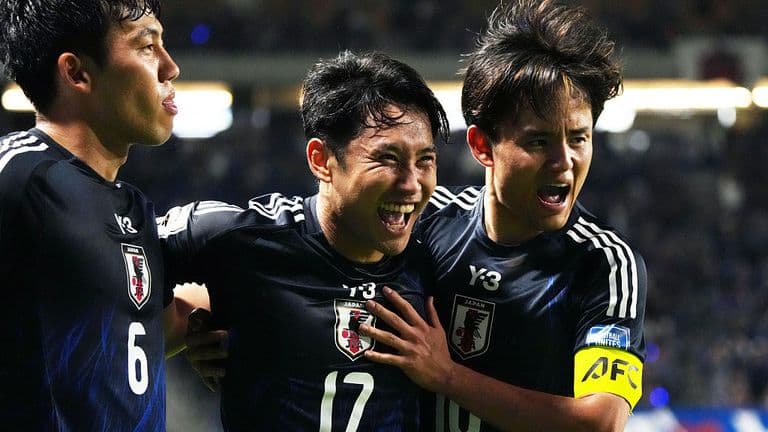
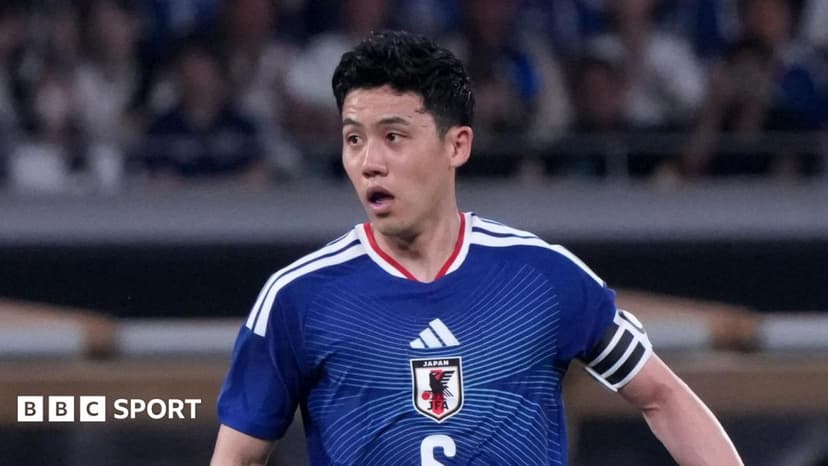
Oliver Glasner's Japan side delivered a performance of incredible resilience and quality at AT&T Stadium in Dallas on June 14, twice recovering from a deficit to earn a 2-2 draw against a Netherlands side that many expected to dominate. The Samurai Blue, playing in a Group F that also includes Sweden and Tunisia, demonstrated exactly why they have become one of the most respected sides in international football — a combination of relentless organisation, technical excellence and the capacity for dramatic late moments that has defined their recent World Cup campaigns. The Netherlands took the lead through Virgil van Dijk's commanding header in the 50th minute, but Japan's response was immediate and composed: Keito Nakamura's low strike on 57 minutes restored parity with a finish of the highest quality. Crysencio Summerville's brilliant 64th-minute curler put the Dutch back in front, and for twenty minutes Japan found themselves facing the prospect of a defeat that would have complicated their group stage progression significantly. In the 88th minute, however, Koki Ogawa's header from a corner was deflected by Daichi Kamada past Bart Verbruggen — a goal later confirmed by the ball's microchip sensor — and Japan had secured a precious point that felt like so much more.
Standout Performers
Keito Nakamura's equaliser was one of the strikes of the tournament so far — a low, powerful shot delivered with the precision of a player who has spent years honing this moment in training. The Japanese midfielder's composure under pressure and the quality of his technique when the chance arrived made it look deceptively simple. Daichi Kamada's 88th-minute involvement, though aided by deflection, was the product of a player who had pressed and worked for the full match, and his presence in the right place at the right time showed championship-level instinct. In goal, the goalkeeper delivered a solid performance against some of the Netherlands' most dangerous moments, while the defensive unit as a whole worked cohesively to limit Summerville and Gakpo's impact in the most dangerous moments.
Tactical Picture
Glasner's Japan played in a disciplined 4-2-3-1 that was designed to be compact without the ball and dangerous in transition. The shape was effective in limiting the Netherlands to fewer clear-cut chances than they might have expected, with the two deep-lying midfielders working tirelessly to close passing lanes and win second balls. When Japan won possession, the speed of their transitions exposed the Dutch high defensive line on multiple occasions, and Nakamura's goal came directly from a quick, incisive move that found space behind the Netherlands' back four. The second equaliser, from a set-piece, was a reminder that Japan are as threatening from dead balls as they are from open play — a testament to Glasner's meticulous preparation.
Group Implications
Japan sit in the middle of Group F alongside the Netherlands on one point each after the opening round. Sweden's dominant 5-1 win over Tunisia means the Swedes lead the group and have established a comfortable early platform. Japan will need at least four points from their remaining two matches to be confident of qualification, and the draw against the Netherlands — while creditable — means there is no room for complacency. The character this team has shown in salvaging late draws is remarkable, but tournament football demands clinical finishing and decisive victories as much as resilience.
One to Watch Next
The key question for Japan heading into their next Group F fixture is whether Glasner can find a way to be more clinical in the first half of matches — the pattern of conceding and then chasing the game is exciting but unsustainable against higher-quality opposition over the course of a tournament. Keito Nakamura's form will be central to any answer: he is the kind of player who can create goals from nothing and whose energy sets the tone for the entire side. Japan have the talent to qualify comfortably from this group. The next match will test whether they have the game management to do so without relying on late drama.