The Match
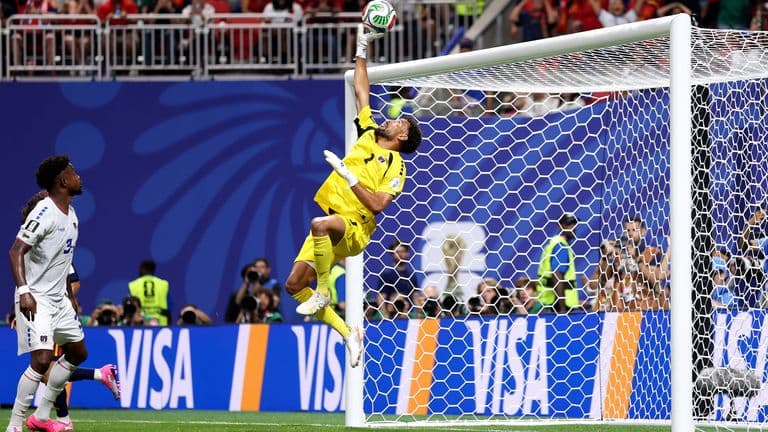
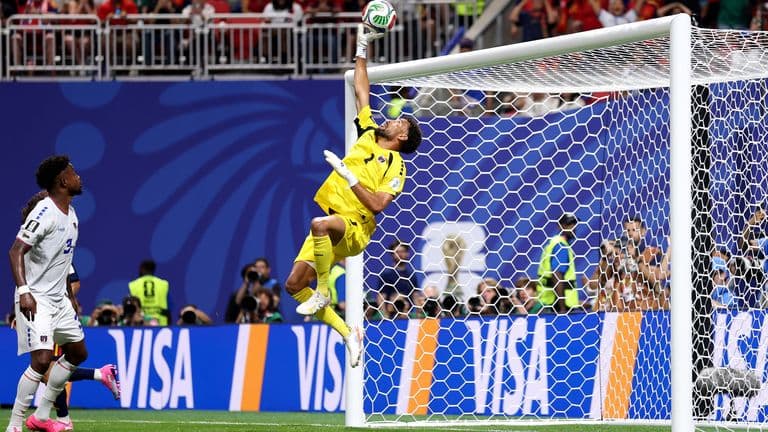
Football has always been the sport of miracles, the game where the impossible occasionally becomes actual. Cape Verde wrote a chapter in that tradition on June 15 at Mercedes-Benz Stadium in Atlanta, holding European champions Spain to a 0-0 draw in their first-ever World Cup match. The Blue Sharks, representing a nation of fewer than 500,000 people, faced 27 Spanish shots across 90 minutes, withstood everything Pedri, Ferran Torres, Oyarzabal, and eventually Lamine Yamal could produce, and walked off the pitch with one of the most improbable points in World Cup history. At the centre of the achievement was 40-year-old goalkeeper Vozinha, a man whose journey to this moment is the stuff of cinema.
Cape Verde's defensive organisation was exemplary from the first whistle. Coach Bubista set his side up in a deep and disciplined 4-5-1, ensuring Spain had no space in behind and had to work the ball around in front of a tight defensive block. For long periods, Spain's possession was exactly what Cape Verde wanted — patient, peripheral, non-threatening. When Spain did create danger — when Torres pulled the trigger, when Laporte attacked a set piece, when Oyarzabal turned sharply in the area — Vozinha was there. Seven saves. Every one of them taken with calm authority. When the final whistle blew, Vozinha fell to his knees near his goalpost and wept. He later explained that he grew up with his grandparents, both now passed, who would not see this moment; that his mother could not travel due to visa complications. A nation of 500,000 felt every one of those tears.
Standout Performers
Vozinha's performance demands its own section in the history books. Seven saves against one of the world's finest attacking collections is an almost incomprehensible achievement — but beyond the statistics, what made the display truly exceptional was the composure and intelligence with which he dealt with everything Spain presented. He read Ferran Torres' movement brilliantly, made himself big against Oyarzabal's low drive, and refused to be beaten even as Spain pushed forward increasingly frantically in the closing minutes. His overnight transformation from a club goalkeeper in Portugal to a global superstar — gaining over 2.4 million Instagram followers within hours of the final whistle — is a testament to the universal recognition of his achievement.
The defenders in front of Vozinha also deserve enormous credit. The centre-back pairing showed remarkable organisation and physical commitment throughout, winning headers, blocking shots, and maintaining concentration across 90 minutes of relentless Spanish pressure. Cape Verde's collective defensive effort was not luck; it was the product of exceptional preparation and genuine team spirit.
Tactical Picture
Bubista's tactical plan was brilliant in its execution. The 4-5-1 defensive shape suffocated Spain's central combinations while denying the space behind the defensive line that Spain's attackers prefer to exploit. The midfield bank of five worked tirelessly to track runners and close down Spain's creative players before they could turn with the ball. On the rare occasions Cape Verde won the ball in midfield, they looked to break quickly through their forwards, giving Spain's advanced fullbacks moments of anxiety. The tactical intelligence on display was far more sophisticated than Cape Verde's World Cup debutant status might have implied.
Group Implications
Cape Verde sit on one point in Group H alongside Spain, Saudi Arabia, and Uruguay — an extraordinary situation in which all four teams share the same total after the opening round. Having held the group's presumed dominant force to a draw, Cape Verde will know they have the defensive structure and the goalkeeper to make life difficult for any opponent in the tournament. The fixtures ahead are daunting on paper, but nothing about Cape Verde suggested they are intimidated by names or reputations. The rest of Group H has been put on notice.
One to Watch Next
Vozinha. Of course, Vozinha. The 40-year-old goalkeeper has become the story of the tournament's opening week, and opponents will study hours of footage looking for weaknesses that frankly were not apparent against Spain. Beyond the keeper, watch for Cape Verde's forward runners on the counter-attack — against a Spain side that committed heavily to attack, the Blue Sharks found genuine space on the break. If they can manage the same defensive solidity and be more clinical in those counter-attacking moments, Cape Verde's World Cup debut could extend further than anyone outside the archipelago imagined possible.