The Japan Football Association announced recently that starting in March 2027. He will replace current head coach Hajime Moriyasu who, after leading his country through the recent World Cup campaign, announced that he would be stepping down following the Asian Cup in January and February.
The baton will be passed to the 54-year-old, who has a solid track record with the Japanese youth teams. Oiwa will guide the senior team into qualifying for the FIFA World Cup 2030™ while also remaining at the helm of the U-21 side as they look to qualify for the Los Angeles Olympics in 2028.
Oiwa was raised in Shizuoka, and his playing career saw him serve in the backline of some of Japan’s strongest club sides – Nagoya Grampus Eight, Jubilo Iwata and Kashima Antlers, racking up a total of 386 J1 League appearances before retiring in 2010. He began his coaching career with Kashima Antlers, and was promoted to head coach in 2017, leading them to a first-ever AFC Champions League title a little more than a year later.
After this spell, he turned his focus towards youth development. Oiwa took charge of the Japanese U-18 side in 2021 and then guided a strong generation of U-21 players to the quarter-finals of the men's football tournament at the 2024 Paris Olympics.
On top of this, he won the 2024 AFC U-23 Asian Cup, which guaranteed them Olympic qualification, and then retained the title in 2026. This was the first time any team had won the tournament consecutively and, to make the feat even more impressive, it was done with a group of U-21 players. It was a perfect encapsulation of Oiwa’s philosophy of winning while developing players, an approach that has seen him be the first man to win AFC Coach of the Year on two occasions.
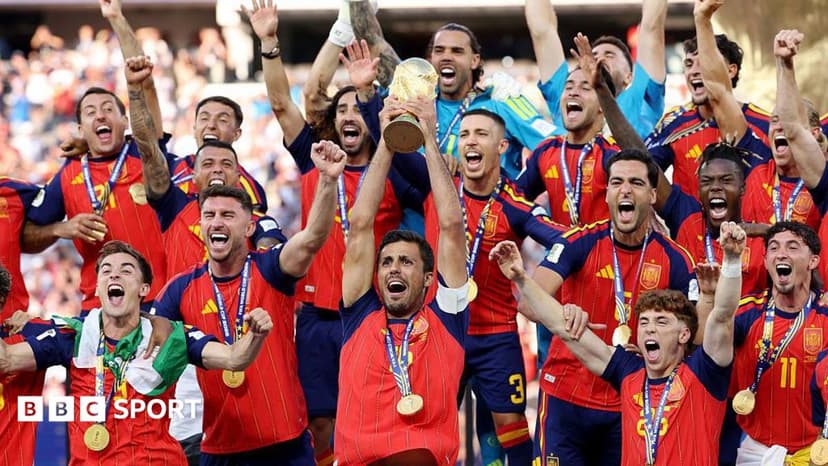
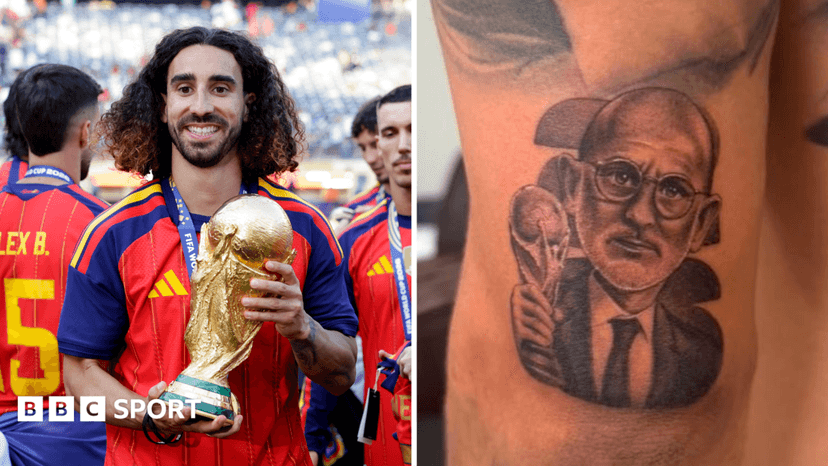
The path from youth team to senior team is one that has been trodden successfully in the past, notably by Spain’s World Cup 2026-winning coach Luis de la Fuente. The Spaniard also spent his career as a defender, and served an extended apprenticeship in charge of the Spanish youth sides.
De la Fuente conquered the European Championships at both U-19 and U-21 levels, and helped the Olympic side to a silver medal. His impressive work with age-group teams saw him promoted to head coach of the senior national team in December 2022. There was initial scepticism about whether this success would translate to glory with the senior side. However, the doubters were soon silenced as Spain followed up their UEFA Euro 2024 victory with the biggest prize in football as they won the 2026 World Cup.
In many ways, Oiwa’s career has paralleled that of De la Fuente. Both were defenders, both worked in youth development, both won continental tournaments and brought their team to Olympics, and both have been named head coach against a backdrop of high expectations and lingering uncertainty.
De la Fuente’s experience demonstrated that identifying and promoting young talent and blending different age groups together are vital skills for a modern national team coach, and these skills are exactly those that Oiwa has continued to hone throughout his time with the youth sides.
The main focus in the run-up to 2030 will be integrating the core players of the senior national team, who will bring their World Cup experience from 2026, with the new generation that Oiwa himself has developed. Does Japan’s new coach have what it takes to finally clear the Round of 16, a hurdle that has thwarted Japan at previous World Cups? Will his appointment be as big a success as De la Fuente’s? These questions are sure to be answered as a new era dawns.
Sources: FIFA Official