The is shaping up to be a celebration of individual longevity. Thanks to medical advancements, improved recovery methods and greater performance data, players are increasingly extending their careers at the highest level. As such, a pantheon of legends will be playing in at least their fourth World Cup this tournament. Lionel Messi, Cristiano Ronaldo and Guillermo Ochoa could make history by competing at their sixth edition.
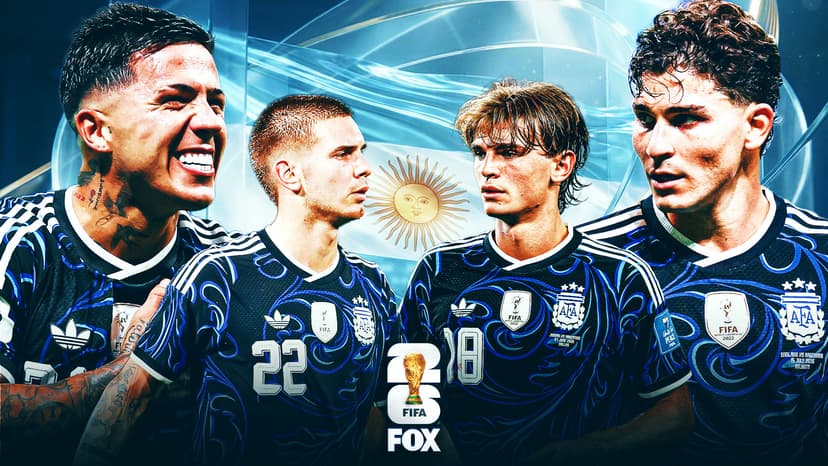
Miguel Almiron, one of Paraguay’s biggest talents, always travels with a physiotherapist. He begins his recovery right after the final whistle and even has a treatment room at home. Argentina’s Rodrigo De Paul recently revealed that he had been pulling double duty with Lionel Messi for the last couple of months. A few hours after training with their club side Inter Miami, De Paul and Messi would meet again to be put through their paces in individualised sessions with a fitness coach so they could head to the World Cup in top form.
Cristiano Ronaldo has long been an advocate of putting in extra work away from the training ground. He is fully attuned to his body and adjusts his workload accordingly to remain in peak condition. At 41 years old, he is proving that age is just a number.
The presence of so many multi-edition players at this World Cup reflects a broader phenomenon in the modern game: footballers' enhanced staying power.
“Training programmes are becoming increasingly tailored to the individual. Every player is different; we monitor them at their clubs and request performance reports,” Argentina’s fitness coach, Luis Martin told the Clank! podcast.
The list of returning World Cup veterans includes Brazilian icon Neymar, Korea Republic captain Son Heungmin and former finalist Luka Modric of Croatia. Other familiar faces on course for their fourth or fifth edition are German shot-stopper Manuel Neuer, Belgium’s midfield maestro Kevin De Bruyne and record goalscorer Romelu Lukaku, Argentina’s Nicolas Otamendi, Uruguay’s Fernando Muslera and Japan’s Yuto Nagatomo. “I know I’ve already been to four World Cups, but I’ve never felt as nervous as I do now,” admitted Nagatomo, speaking about the prospect of appearing at the upcoming showpiece. Nagatomo had even considered retiring from international football following Japan's elimination at Qatar 2022. However, the thrilling final between Argentina and France reignited his ambitions. “I said to myself, ‘Why can’t I aspire to that too?’” recalled the seasoned Japanese campaigner who, at 39 years old, is still chasing his dream of playing in another World Cup.
In the intervening three and a half years, Nagatomo has had to contend with a number of physical setbacks, including a right hamstring strain that kept him out of his side’s fixtures against Scotland and England in March. He made a full recovery and returned to action in the nick of time, demonstrating that he still had what it took to compete.
“There’s a very simple explanation: the way players train has changed,” fitness coach Javier Valdecantos, the director of Paraguay’s Youth High-Performance Centre, told FIFA in relation to the growing number of stalwarts still thriving in their late thirties and beyond.
“There have been huge scientific breakthroughs when it comes to training," noted Valdecantos, who has also worked with Boca Juniors, Gimnasia y Esgrima La Plata, Real Betis and the Paraguayan national team. "In the past, everything used to be much more empirical. We used to train based on what we were accustomed to, rather than informed understanding. Over the past 15 years or so, as clubs have begun measuring everything and gaining a better appreciation of what practices are harmful to players and best avoided, the rise of sports science has steadily prolonged players’ careers."
“Nutrition and diet have really come to the fore," added the Argentine. "People always used to say that training was the most important thing. Nowadays, however, it goes hand in hand with the fuel that every athlete puts in their body. That’s all meticulously planned as well: the number of calories I need after a strength workout, how I should recover and whether I need protein. If a particular session has used up more muscle glycogen, then I know I need to increase my carbohydrate intake. It’s remarkable how much science goes into training these days. That’s why players are still going strong at 40.”
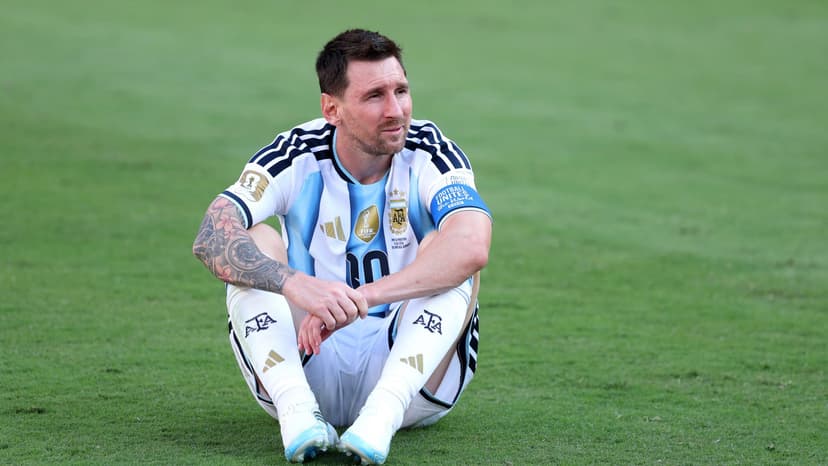
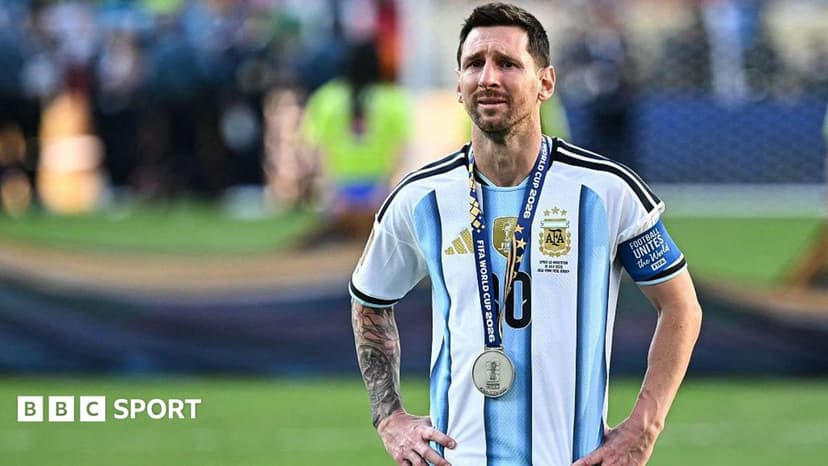
Messi, meanwhile, is preparing for his sixth World Cup. Despite his undeniable work ethic, the tournament’s all-time leading appearance-maker continues to approach his game with the same natural ease that has defined much of his career. Modern football’s evolving landscape has made such longevity possible, but so too has the care he invests in every aspect of his preparation, on and off the pitch. “I love playing football and I’ll keep doing it for as long as I can,” he confirmed in a recent interview.
The upcoming World Cup will not just be defined by the star power on display. It will also be a testament to resilience, physical adaptation and careers that have been built to last.
Sources: FIFA Official