The Match
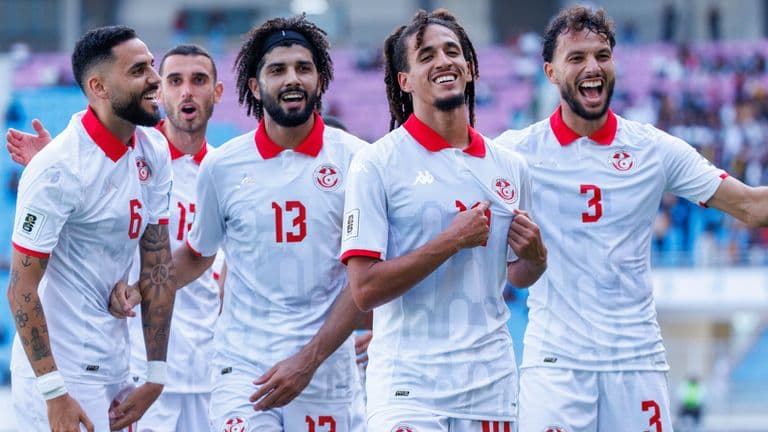
Tunisia arrived at the 2026 World Cup having qualified from one of Africa's most competitive groups, but June 15 at Estadio BBVA in Monterrey revealed a painful gap between the Carthage Eagles' capabilities and the firepower that Graham Potter's Sweden can unleash. A 5-1 defeat — the heaviest in Tunisia's recent World Cup history — was the result, and with manager Sabri Lamouchi reportedly facing intense pressure following the performance, the immediate future of this campaign looks uncertain. The match began with a thunderbolt: Yasin Ayari's stunning long-range strike in the sixth minute gave Sweden an immediate and emphatic lead that set the tone for the entire evening. Alexander Isak's composed finish on 30 minutes extended the advantage, before Tunisia showed genuine character to pull one back through Omar Rekik's glancing header right at the end of the first half. For a brief moment, with the score at 2-1 and half-time approaching, the match held the prospect of a genuine contest. The second half told a different story. Viktor Gyokeres made it 3-1 in the 59th minute, substitute Mattias Svanberg scored within seconds of coming on in the 84th minute, and Ayari added a second long-range effort in stoppage time. Tunisia's tournament is at a crossroads before it has properly begun.
Standout Performers
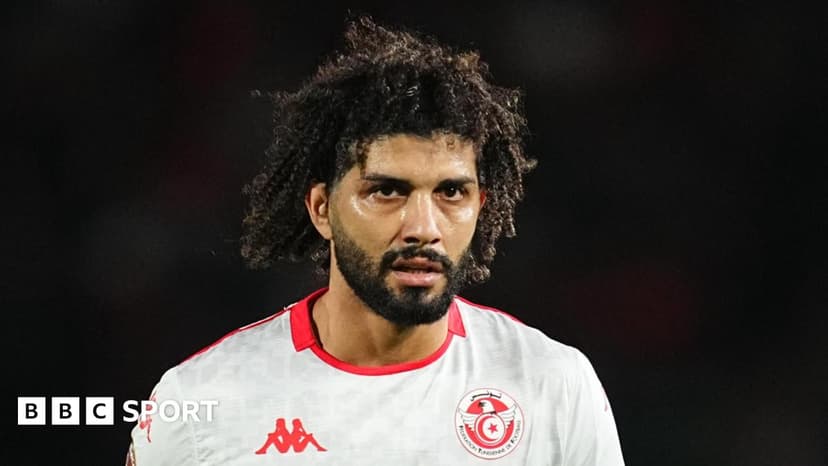
In difficult circumstances, Tunisia's best performers were those who competed with spirit rather than those who delivered technical brilliance. Omar Rekik's headed goal — a brave, determined effort from the centre-back who drove forward at the right moment to claim Tunisia's consolation — was a highlight in an evening of limited positives. The defender's reading of the situation and accuracy with his header showed why he is regarded as one of Tunisia's brightest prospects. In midfield, Aissa Laïdouni worked tirelessly to win second balls and maintain shape, but was ultimately overwhelmed by Sweden's pressing intensity and the quality of what came at him from all directions. Goalkeeper Aymen Dahmen made several good saves in the first half that prevented the scoreline from being even heavier before the interval — his reflexes and positioning were often the only thing keeping Tunisia in touching distance.
Tactical Picture
Lamouchi set Tunisia up in a 4-4-2 that was intended to be hard to break down and dangerous on the counter, but Sweden's first-minute pressing and the quality of Ayari's early strike meant the defensive plan was immediately disrupted. The midfield block that was supposed to protect the Tunisian backline could not contain Gyokeres and Isak's movement, and once the two Swedish strikers found space in behind, the result was rarely in doubt. The second goal from long range — Ayari's brace — highlighted another vulnerability: Tunisia struggled to close down shooters from outside the area, leaving the goalkeeper exposed to efforts that more compact defending would have prevented.
Group Implications
Tunisia find themselves at the bottom of Group F after the opening round with zero points and a -4 goal difference. Sweden's dominance and the Netherlands-Japan draw above them means the path to the knockout stage is extremely narrow for the Carthage Eagles. Realistically, Tunisia need wins in both remaining matches against the Netherlands and Japan, combined with a remarkable turnaround in goal difference. The tournament's character test comes now: can the players respond to the scale of the defeat and find the discipline and quality to fight back? The managerial situation adds uncertainty at the worst possible moment.
One to Watch Next
Tunisia's hopes of a meaningful recovery rest heavily on the managerial situation being resolved swiftly — uncertainty in the coaching structure at a World Cup is corrosive to team cohesion and tactical preparation. If the squad can rally around a clear tactical identity and the kind of defensive organisation that was missing against Sweden, there is enough quality in the Carthage Eagles' squad to be competitive in upcoming matches. Omar Rekik's goal showed that there are players capable of contributing positively even in adversity. The next match will reveal the true character of this Tunisia side, and whether they can translate the talent that brought them to this World Cup into a result that keeps their campaign alive.