The Match
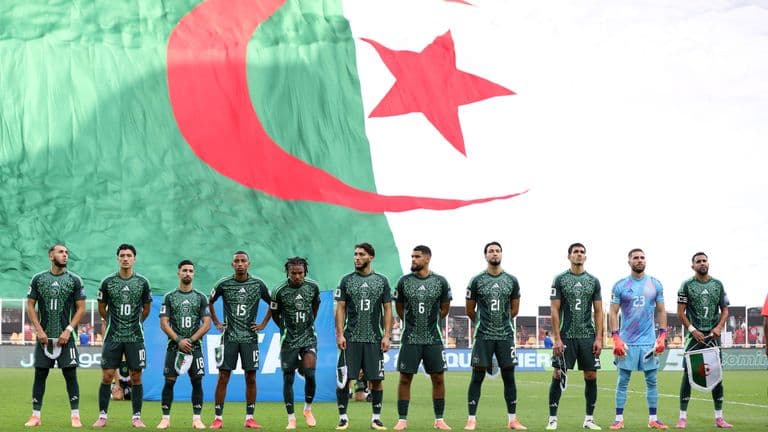
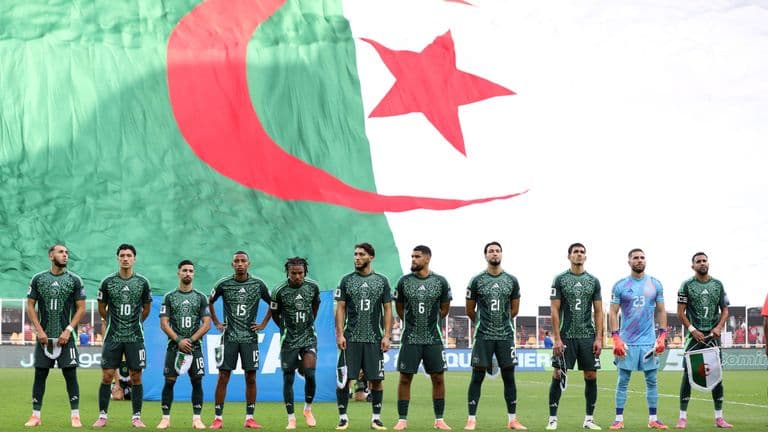
Algeria arrived at Arrowhead Stadium in Kansas City with a clear defensive plan — compact lines, a deep 4-5-1 shape, and the collective discipline to force Argentina into wide areas. For 17 minutes, the plan held. Then Lionel Messi struck a long-range effort of such devastating accuracy that it bypassed goalkeeper Raïs M'Bolhi before any defensive adjustment was possible. From that moment, Algeria's tournament opened up in the wrong direction, and by the time the final whistle blew on a 3-0 defeat, the Desert Foxes were facing the realisation that their return to the World Cup after an eight-year absence had begun with a match against arguably the finest individual performer the sport has ever produced on one of his very best nights.
The Desert Foxes had been reasonably well-organised in the opening exchanges, absorbing Argentina's early pressure and attempting to build counter-attacks through the pace of their wide forwards. But Messi's opener — a 30-metre left-footed curler of extraordinary precision — was the kind of goal no defensive preparation can account for. Algeria's response was to push slightly higher in search of a reply, and that was precisely the space Argentina had been waiting to exploit. Messi's second goal, a close-range tap-in from a combination that opened Algeria's backline with devastating simplicity, put the match beyond doubt before half-time. The third — a curled effort into the bottom corner that barely seemed like Messi had even looked up — capped a historic hat-trick and left Algeria needing to refocus for the two difficult matches that await them.
Standout Performers
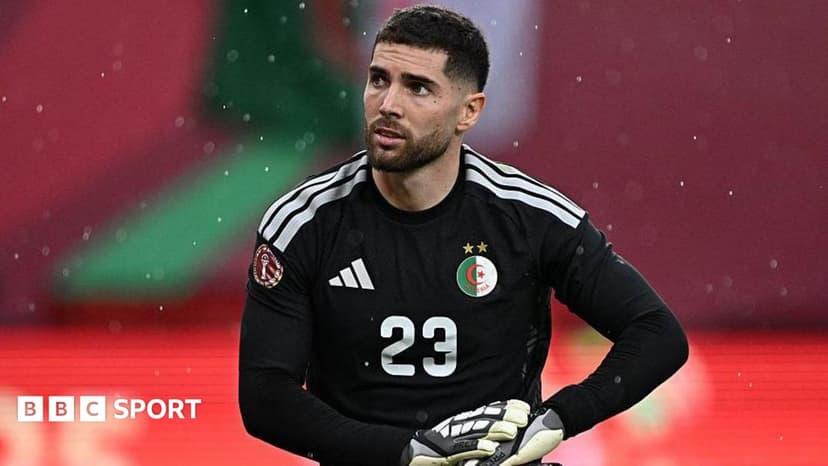
Raïs M'Bolhi, veteran goalkeeper and captain, made several excellent saves to prevent an even heavier scoreline. Despite being beaten three times, his reflexes on Julián Álvarez's shot in the 35th minute and a De Paul long-range effort in the 70th demonstrated that his quality remains at a high level. His performance was one of the few positives Algeria's coaching staff will take from the evening. In midfield, Sofiane Feghouli worked hard to build attacks and showed good technical quality, but he was fighting a tide that even the most talented players struggle to stem when Messi is at his best.
Youcef Atal, deployed wide on the right, showed flashes of the directness that makes him one of Algeria's most dangerous attacking threats, and on another night against different opponents, his cross-delivery and dribbling might have created genuine danger. The problem was that Argentina's defensive structure, even when pushed forward by the goal margin, remained disciplined enough to prevent Algeria from converting their attacking moments into genuine chances.
Tactical Picture
Coach Djamel Belmadi had Algeria well-organised defensively, and the 4-5-1 shape was the right starting point against a team of Argentina's attacking quality. The difficulty was that Messi's genius exists outside tactical systems — once he scored a goal that no goalkeeper was ever going to save regardless of positioning, the defensive plan had to be abandoned. Algeria's subsequent attempts to open up and find a goal left spaces that Argentina's forwards are exceptionally gifted at exploiting. The 3-0 scoreline, though heavy, does not entirely represent the gap between the teams across all 90 minutes; it represents what happens when the world's best player has his best night against opponents who were doing everything they reasonably could.
Group Implications
Algeria sit at the bottom of Group J with no points and a goal difference of minus three after the opening round. Austria's 3-1 win over Jordan means Algeria face the prospect of elimination if they do not win their next match. Their two remaining fixtures against Austria and Jordan offer more realistic paths to the second round than another match against Argentina, but the psychological damage of this opening defeat will need to be processed quickly. The squad has the technical quality and the collective spirit to recover — Algeria's defensive organisation, despite the three goals conceded, was not without merit — but the group table demands a rapid response.
One to Watch Next
Islam Slimani, Algeria's most experienced forward, did not have the impact the team needed in Kansas City, but his ability to lead the line, hold up play, and bring teammates into the game remains Algeria's most important attacking tool. If Belmadi can give Slimani more support through the midfield and reduce the isolation that limited his effectiveness against Argentina, Algeria still have enough quality to trouble Austria and Jordan in the rounds ahead. Their tournament is not over — but recovery must start immediately, and it must start with a performance that reasserts the defensive discipline and attacking threat that got Algeria to the World Cup in the first place.