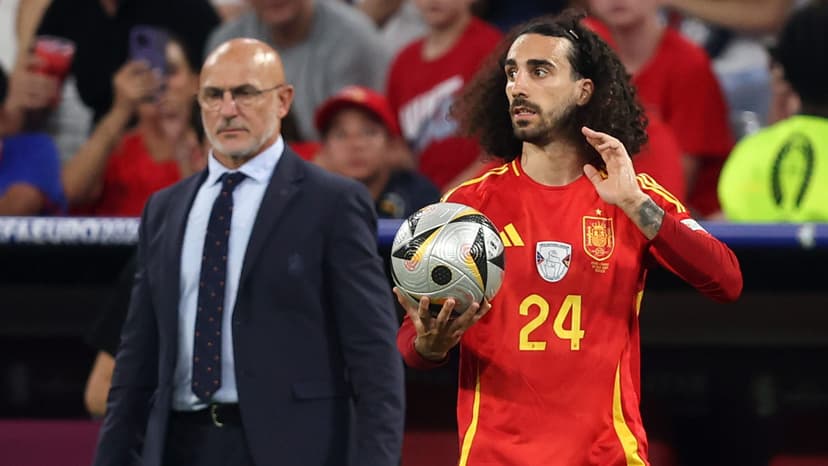
sphere on 19 July 2015, when he led Spain to the UEFA European U-19 Championship title in Greece. It was there, two years into his spell with , that the La Rioja-born coach won his first major trophy, with Unai Simon, Rodri Hernandez and Mikel Merino all part of his squad.
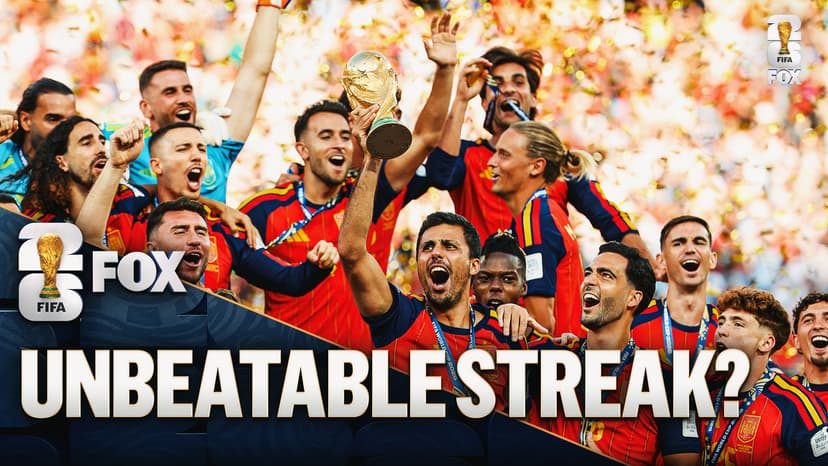
Now, 11 years to the day, his Spain side are chasing World Cup glory at the in the at against . FIFA sat down with Jorge Mere and Alfonso Pedraza, two key figures from Spain’s 1996 and 1997 generation that conquered Europe. The centre-back and Lazio’s new signing reflect on De la Fuente's tenure, what that triumph meant and the three former U-19 team-mates now chasing glory on football’s biggest stage.
Jorge Mere was one of the young talents of that generation. Now plying his trade with Portuguese second-tier outfit FC Penafiel, the centre-back reflects with fondness on his former coach: "He’s a very honest, incredibly hard-working person who always liked to do things in a very methodical way and, above all, had a close relationship with his players. He’s the perfect man to lead a national team. The players and the coaching staff are a really tight-knit group. Luis is the most important figure,” said Mere.
New Lazio signing Pedraza also reflected on that landmark achievement from 11 years ago. Now a left-back, he was the left winger that De la Fuente put his faith in back in 2015: “I’m incredibly proud to have been part of that UEFA European Championship and to have played alongside Merino, Rodri and Unai. As I always say, I’m grateful to have had Luis de la Fuente as my coach because he taught me so much and he’s one of the finest people I’ve met in football,” said the Andalusian.
Operating further forward, Pedraza was able to benefit first-hand from the quality of Rodri and Mikel Merino, making the most of the service they provided: “What really stood out for me was their ability to read the game. They’re up there among the best players in the world. For those of us playing in attack, like I was at that UEFA European Championship, playing out wide was a breeze because of them. They control the tempo, they dictate the game, and that was key for us,” he said ahead of his move to Serie A.
Back then, Unai Simon had to settle for a place on the bench. Born in 1997, Simon played second fiddle to Antonio Sivera, who was a year older. But Simon, Rodri and Mikel Merino have all been instrumental in Spain’s run to Sunday’s final. It shows the team’s identity is deeply ingrained. Playing out from the back, growing into the game with the ball and defending by keeping possession.
“They’re two players who are impossible not to like. They’re out of this world. They’re so good at what they do, each in their own role, and they have outstanding qualities. Rodri is the heartbeat of the side, with everything going through him. He’s a rock for the team. He covers every blade of grass. Merino is a different type of player, making far more attacking runs and having a real eye for goal. We always knew he had that quality, but now we’re seeing it in abundance. He sees the final pass really well,” Mere said.
But the build-up always starts with Simon, something Jorge Mere was keen to point out: “Spain have always been about having 11 players on the pitch, not ten outfield players and a goalkeeper. Every Spanish goalkeeper is comfortable with the ball at his feet. It doesn’t surprise me because I’ve known Unai and Sivera since we played together at U-19 level. They’re even technically better than some of the outfield players themselves. Playing it back to them never felt risky or caused us any anxiety.”
Ultimately, Spain’s recent successes are built on a footballing philosophy that stretches back many years: “It’s a hallmark of the team that’s been developed over many years, and the players know it inside out. The last match against France was proof that football was the real winner. The performance they produced was second to none. Spain are blessed with a wealth of talented players, particularly in the middle of the park. They’re the ones who make the team tick. They’re the key to everything,” Pedraza concludes.
From that afternoon in Katerini, Greece, on 19 July 2015 to 19 July 2026 at New York New Jersey Stadium. Eleven years apart, but with the same footballing identity.
Sources: FIFA Official