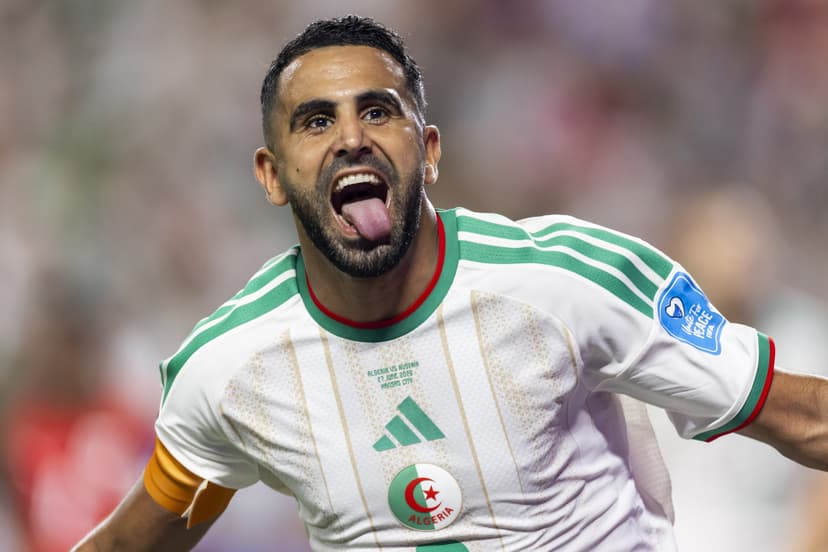
The continue to provide a data-driven measure of player performance throughout the FIFA World Cup 2026™, assessing contributions across attacking, creative and defensive categories.
With two rounds of group-stage matches now complete, the rankings offer a clearer picture of the players exerting the greatest influence on the tournament. Some have maintained their positions after , while others have surged up the standings thanks to standout performances.
The rankings reflect cumulative tournament performance and assess the weighted contribution of event-based metrics within the Attacking, Creativity and Defensive categories. Here, FIFA highlights the leading performers after the first two rounds of group-stage fixtures.
Germany forward Deniz Undav (8.93) has climbed ten places to take top spot in the Attacking rankings following a prolific start to the tournament. Germany have scored nine goals in victories over Curaçao and Côte d'Ivoire, with Undav directly involved in five of them. His four attempts at goal have all hit the target, producing three goals, while he has also contributed two assists. That combination of finishing efficiency and final-action creation has propelled him to the summit of the Power Rankings.
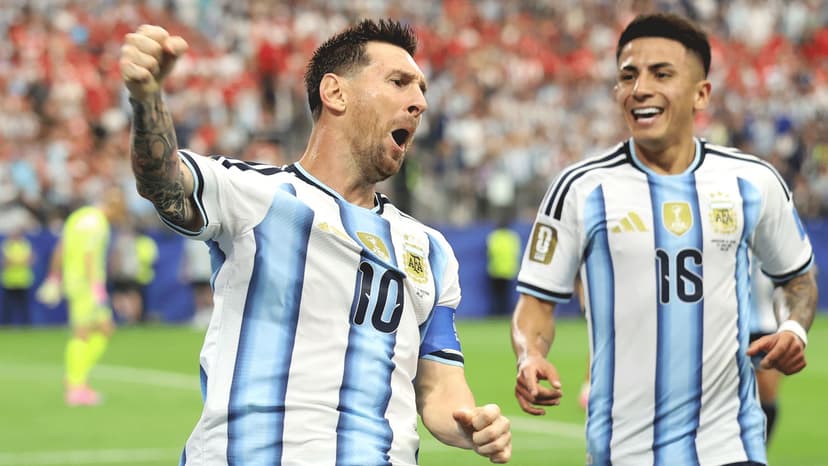
Despite his five-goal haul across two games, making him the at the FIFA World Cup, Lionel Messi (8.36) slips one place to second. Still, Argentina’s talisman remains one of the defining attacking players of the tournament, helping his side win both matches without conceding and netting all of La Albiceleste’s goals. Messi has recorded 13 attempts at goal, eight efforts on target and 11 ball progressions, underlining his influence both as a finisher and as a player who moves Argentina up the pitch.
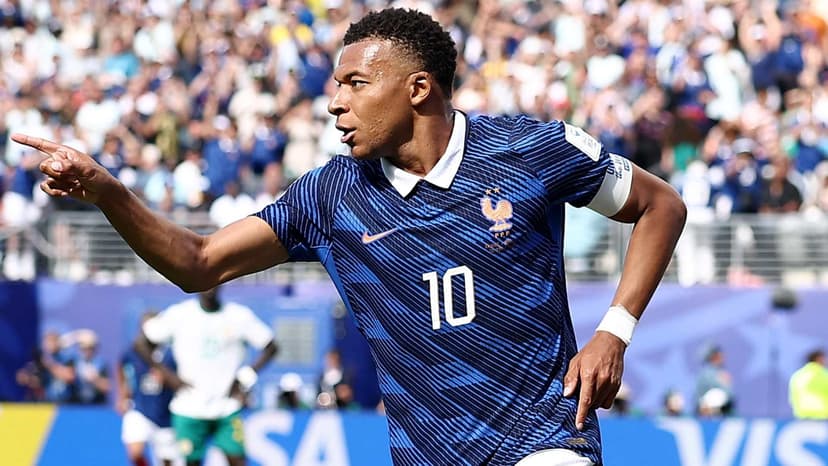
Kylian Mbappe (8.08) retains third place after helping France make a perfect start. The forward has scored four of Les Bleus’ six goals and has combined his finishing with a significant ball-carrying threat. Mbappe has attempted 21 ball progressions and completed 12, while also recording 12 shots and seven efforts on target.
Elsewhere, Netherlands winger Crysencio Summerville (7.16) has risen 11 places to sixth after scoring with both of his attempts on target and adding an assist, while Uruguay's Maxi Araujo (6.91) has climbed 18 places to seventh. He was directly involved in all three of La Celeste’s goals at the tournament, scoring twice and providing one assist.
France's Michael Olise (8.13) has moved to the top of the Creativity rankings after another influential display as Didier Deschamps’ side continued their unbeaten start. Olise has provided three assists across France's opening two matches and completed 31 line breaks, including 29 through his passing. His combination of penetration, progression and final-ball quality has made him the tournament's leading creative player after two rounds.
Paraguay's Julio Enciso (7.84) climbs three places into second. Despite Paraguay recording one win and one defeat, Enciso has remained a consistent source of attacking progression. He has registered two assists, completed 12 ball progressions and successfully completed nine of his 12 take-ons.
Morocco's Brahim Diaz (7.51) completes the Creativity top three in the Power Rankings after rising six places. The Atlas Lions are unbeaten following a draw with Brazil and a victory over Scotland, with Diaz playing a key role in linking and progressing attacks. He has completed 58 of 61 passes, produced 13 completed ball progressions and contributed two assists.
Mohamed Salah (7.48) also climbed six places to fourth. Beyond scoring in, the Pharaohs captain has recorded two assists, completed 12 line breaks through passing and registered 72 receptions, reflecting his importance as a connector in Egypt's unbeaten start. One of the biggest movers in the Creativity category is Spain's Lamine Yamal (7.19), who has risen 25 places to seventh. The Barcelona star has completed 12 ball progressions, nine line breaks and six successful take-ons as Spain followed a goalless draw with Cabo Verde by defeating Saudi Arabia 4-0.
Canada defender Derek Cornelius (7.5) remains the tournament's leading defensive performer after another commanding display. The 2026 co-hosts are unbeaten, having scored seven goals and conceded only once, with Cornelius continuing to provide the platform behind that success. The Marseille centre-back has recorded 19 possession regains, 16 clearances, five tackles and nine aerial duels won, combining ball recovery with effective last-line defending.
Belgium's Brandon Mechele (7.35) is the biggest climber among the leading defenders, surging 42 places into second. The Red Devils have conceded only once across two draws, and Mechele's contribution has been integral – notably as Belgium’s 10 men held on to tie with IR Iran. He has registered 22 possession regains and eight interceptions, repeatedly preventing attacks from developing into dangerous situations.
Cabo Verde defender Pico Lopes (7.20) rounds out the top three. Unbeaten after sensational debut draws with Spain and Uruguay, the Blue Sharks have relied heavily on defensive resilience, and Lopes has been a bedrock for his team. The Shamrock Rovers man’s tournament totals include 21 clearances, 11 blocks and 24 possession regains, helping explain how Cabo Verde has taken points from two highly rated opponents.
Türkiye midfielder Ismail Yuksek (7.15) has climbed 24 places to fourth despite his side’s elimination. Yuksek’s ranking reflects his impressive individual defensive output rather, with 13 tackles and 18 possession regains highlighting his workload. The largest rise in the defensive rankings belongs to USA centre-back Chris Richards (6.94), who has catapulted himself 134 places to enter the Power Rankings top 10. Richards has contributed 13 clearances, 16 possession regains and eight aerial duels won, joining team-mate Tyler Adams (7.11) among the competition's leading defensive performers.
Sources: FIFA Official