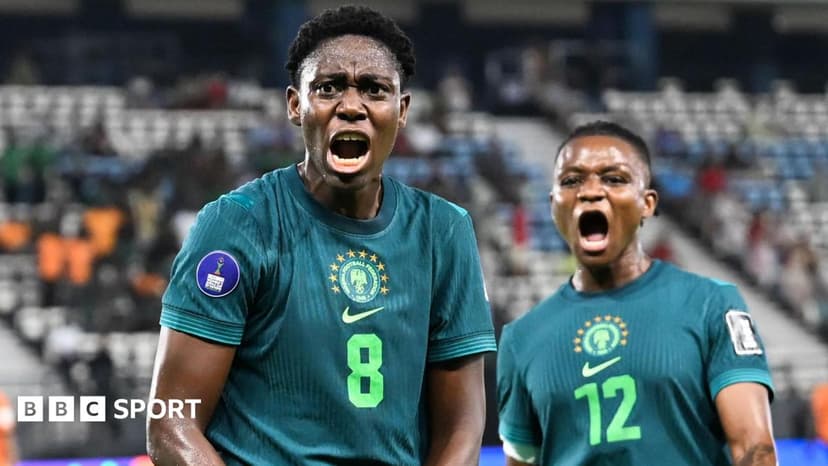
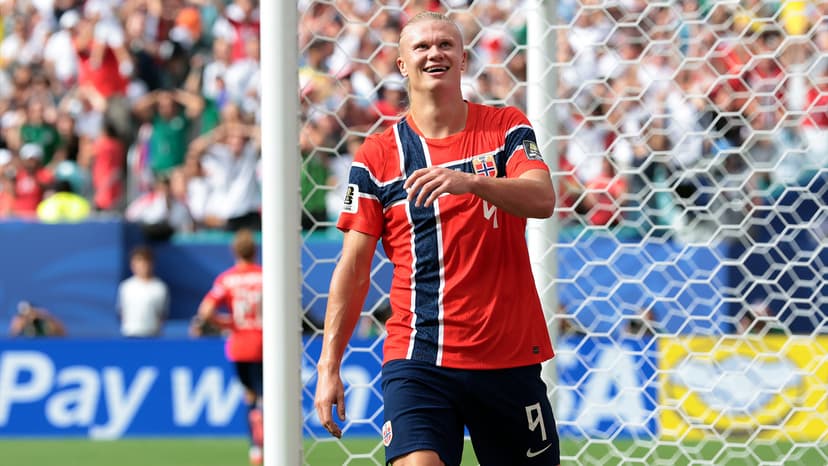
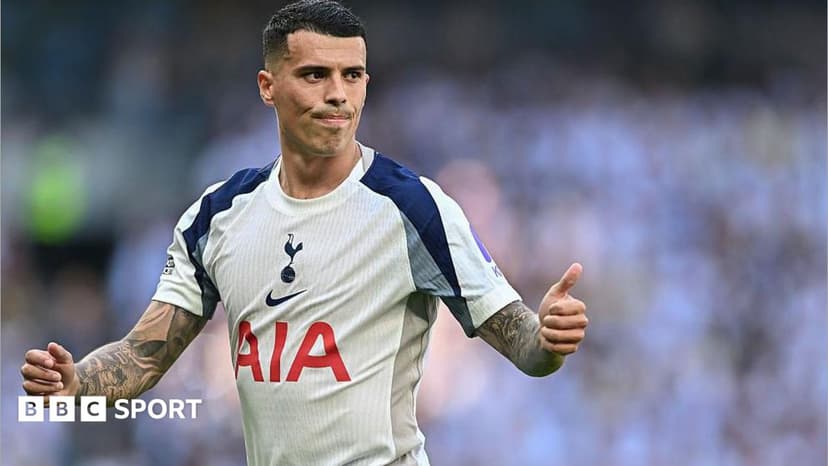
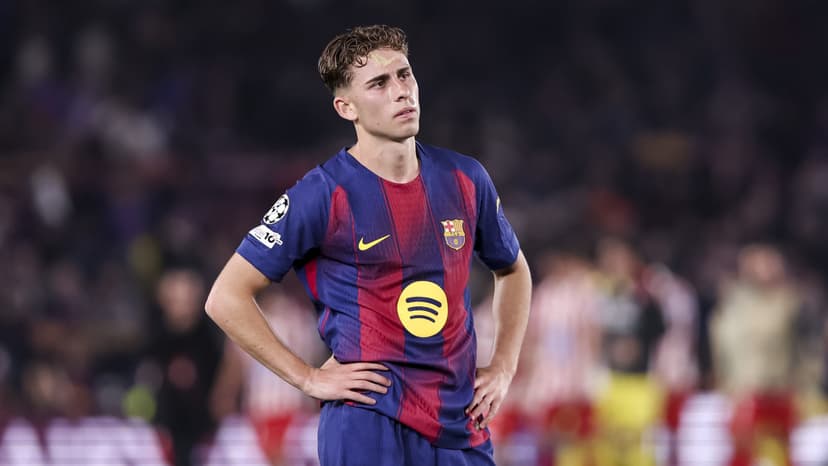
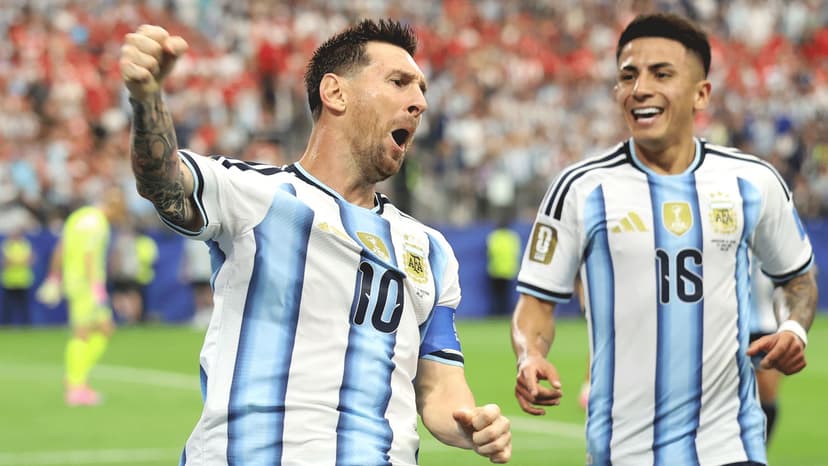
Messi tops the Attacking rankings after his hat-trick against Algeria
Rezaeian leads the Creativity standings following Iran's draw with New Zealand
Cornelius heads the Defending category after a dominant display for Canada
The , provide a data-driven measure of player performance throughout the . Using advanced analytics, the rankings assess contributions across attacking, creative and defending categories, tracking the players who have the greatest influence on matches as the tournament unfolds.
With the Group Stage’s opening round of fixtures now complete, the latest rankings offers an early indication of the players making their mark. Some names are exactly where many would expect them to be, while others have surged into contention thanks to standout performances.
The data highlights not only goals and assists, but also the actions that help create chances, progress attacks and prevent opportunities at the other end of the pitch. The rankings are split into : Attacking, Creativity and Defending.
Here, FIFA highlights the leading performers after the first round of matches in Canada, Mexico and the United States.
The Attacking rankings are headed by a familiar name. Lionel Messi's hat-trick against Algeria helped propel Argentina to a and placed the reigning world champions' captain at the top of the initial standings.
Messi accounted for 60% of Argentina's attempts at goal, every shot they had on target and all three of their goals. La Albiceleste’s three successful strikes came from 1.58 expected goals (xG), highlighting the efficiency of Messi's finishing. The Inter Miami star’s influence extended well beyond the penalty area, too. He received possession 23 times between Algeria's midfield and defensive lines and completed 12 line breaks, repeatedly helping Argentina transform possession into danger.
Nestled among some of the game's biggest attacking names is New Zealand winger Elijah Just, who claims second place in the FIFA Power Rankings. Just scored with both of his open-play attempts, putting the All Whites ahead on two separate occasions against IR Iran. In a match where Team Melli generated more attempts and a higher xG than New Zealand, his finishing ensured his team emerged with a point in a.
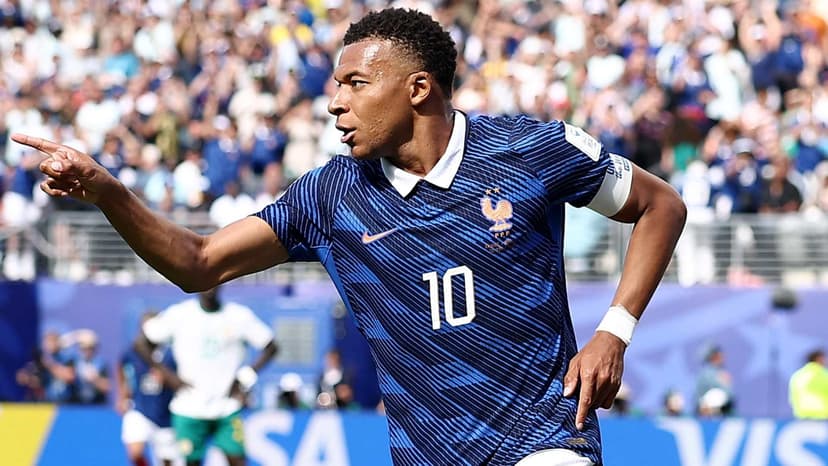
France forward Kylian Mbappe and Sweden midfielder Yasin Ayari also rank among the leading performers after both scored twice in their opening fixtures. Mbappe combined his finishing with a constant ball-carrying threat against Senegal, placing all four of his open-play attempts on target and completing five ball progressions. Ayari, meanwhile, produced the most efficient finishing display of the opening round, outperforming the quality of his chances by 1.86 goals.
The Creativity rankings reward the players responsible for progressing attacks and creating opportunities, and no-one excelled more in those areas than IR Iran's Ramin Rezaeian.
Operating from right-back, Rezaeian was the driving force behind Iran's attacking progression against New Zealand, completing 16 progressive passes and breaking the All Whites’ midfield and defensive units 13 times. His influence extended into the final third, where he scored Iran's first equaliser and contributed directly to their second.
Sitting just behind Rezeaeian in the FIFA Power Rankings is France winger Michael Olise after an influential display in his team’s against Senegal. Olise completed 19 line breaks, including 17 through his passing, and contributed to nine attacking sequences that ended with an attempt at goal. He also provided an assist and played a role in two of France's three goals.
Korea Republic's Lee Kangin, Paraguay's Julio Enciso and Egypt's Mohamed Salah complete the leading group. Lee delivered one of the most eye-catching performances of the opening round, completing all 38 of his passes and providing an assist against Czechia. Enciso remained Paraguay's primary attacking outlet despite his side having less than 30% possession against the United States, while Salah's intelligent passing and movement helped Egypt create danger against Belgium and provided the assist for Emam Ashour's goal.
While goals and assists often dominate the headlines, the Defending rankings highlight the players whose interventions prevented danger and helped shape results. Canada defender Derek Cornelius leads the category after an outstanding display . Cornelius recorded 17 possession regains, the highest figure of any player in the opening round, while also contributing 13 clearances, four blocks and four tackles – as well as winning eight aerial duels.
In the same match, Bosnia and Herzegovina’s Nikola Katic also produced a standout defensive performance. He registered 12 clearances, five blocks and seven tackles, while also winning 11 aerial duels and recording 11 possession regains. Twenty of his defensive actions came inside the defensive third, illustrating the scale of his contribution.
USA captain Tyler Adams and Cabo Verde defender Sidny Lopes Cabral also feature prominently. Adams helped restrict Paraguay to just 0.60 xG despite the presence of several dangerous attacking players. Sidny was central to Cabo Verde's clean sheet , contributing five blocks, five tackles and 10 possession regains as his side frustrated one of the tournament favourites. .
Austria midfielder Xavier Schlager underlined that defensive influence is not restricted to defenders. Against Jordan, he recorded 11 possession regains and completed seven defensive actions in the final third before being substituted after an hour. His work in front of the back line helped Austria regain control after a competitive opening period and laid the platform for his side’s victory.
Sources: FIFA Official